Top Signs Your Sunshine Coast Roof Has Black Mold Issues
@beckettusyw785
Dark roof stains, musty smells and recurring ceiling marks can indicate moisture problems that allow mould to grow. On the Sunshine Coast, humid weather, heavy rainfall and shaded roof areas create favourable conditions for biological growth. However, not every black mark is mould, and colour alone cannot identify a mould species or its health risk.
Black Streaks or Dark Patches on Roofing
Black or dark green discolouration on tiles, gutters or shaded roof sections deserves attention, particularly when it spreads or returns after cleaning. Roof staining can come from algae, lichen, dirt or mould, so a visual check is only a starting point.
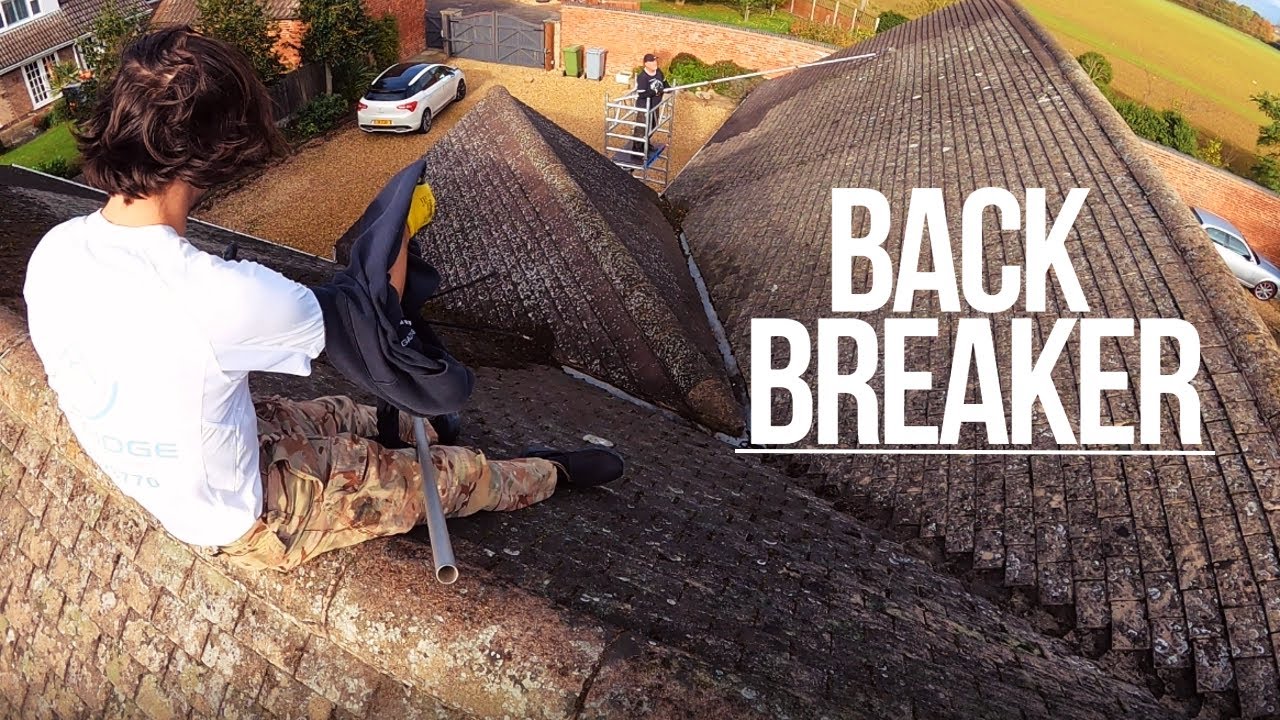
Algae commonly causes dark streaks on roofing. Mould is more likely to develop on damp organic material, including accumulated leaf litter and timber within the roof space. A roof inspection can help distinguish surface staining from an underlying moisture problem.
A Persistent Musty Smell Indoors
An earthy or musty smell near ceiling access panels, upstairs rooms or built-in cupboards can suggest hidden dampness. Possible sources include wet insulation, leaking roof penetrations or condensation within the roof space.
A smell does not confirm mould in your roof, but a recurring odour warrants investigation, especially when it becomes stronger after rain.
Ceiling Stains, Peeling Paint or Visible Growth
Brown water marks, bubbling paint and dark spotting around cornices or ceiling vents can point to moisture entering from above. Common entry points include damaged tiles, deteriorated flashing and poorly sealed penetrations around skylights or plumbing vents.
Photograph the affected area and note whether it changes after rainfall. Avoid painting over stains or visible mould before identifying and correcting the moisture source.
Damp Insulation or Mould on Roof Timbers
Visible growth on rafters, roof battens or the underside of roof sheeting is a stronger warning sign than exterior staining alone. Wet insulation, rusting fixings and persistent condensation also indicate that conditions need attention.
Roof leaks are not the only cause. Humid indoor air entering the roof space, bathroom exhaust fans discharging into it, and inadequate moisture management can contribute. Have a qualified professional assess the cause rather than assuming additional roof vents will solve it.
Blocked Gutters and Persistent Dampness
Leaf-filled gutters and blocked downpipes can cause water to overflow or back up near eaves. Overhanging vegetation can also keep roof sections shaded and slow drying after rain. These conditions do not prove mould is present, but they increase the likelihood of moisture-related damage.

What to Do When You Notice Warning Signs
- Check safely from ground level. Look for gutter overflow, damaged roofing and new staining. Do not climb onto a wet or slippery roof.
- Arrange an inspection. Ask a suitably licensed and insured roofing professional to check leaks, flashing, drainage and roof-space moisture.
- Fix the moisture source. Cleaning alone will not prevent mould returning if materials remain damp.
- Use appropriate remediation. Extensive, hidden or recurring growth may require a mould remediation specialist, particularly when insulation or other porous materials are affected.
Avoid dry brushing or sanding suspected mould, which can release particles. Do not pressure wash roofing without confirming that the method suits the material. https://edwinoxlt783.birchreport.com/posts/what-sunshine-coast-storms-leave-behind-on-your-roof Older Sunshine Coast homes may contain asbestos cement roofing, which requires specialist assessment and must not be pressure cleaned.
When to Act Urgently
Seek prompt help for active leaks, sagging ceilings or water near electrical fittings. Keep people away from the affected area. Mould exposure can aggravate asthma and allergies in some people, but symptoms alone cannot identify its source. If anyone develops persistent symptoms, seek medical advice.
Early inspection and moisture control are the most effective next steps when your Sunshine Coast roof shows signs of mould or persistent dampness.
Sunshine Coast Roof Cleaning Pros
Unit 2/47 Enterprise St, Kunda Park QLD 4556, Australia
(07) 4158 6008